


Aditya Birla Group
(Birla Opus Paints Division)
As a greenfield project reference for Aditya Birla Group, we were handed two barren plots of 21 acres each. We transformed those industrial green belt areas into a fully developed green forest (reference images provided) with fully grown trees of various timber species. It took us 2 years to develop the green belt and provide a fully established plantation.
Our ongoing Green Belt Development Work for Aditya Birla Grasim (Birla Opus Paints Division) using tall well-developed timber tree plantation involves procurement, transportation of tall plants to be used for plantation areas to site and maintenance of plants till field plantation.
The USP of our proposal is that we plan to undertake all plantations using healthy, well-established 2 to 3 years old saplings of 8 to 12 feet height. Though the initial cost of procurement and transportation of the tall plants is significantly higher than that of seedlings, the following benefits more than compensate for the additional initial cost (reference photos from adjacent industrial site in Ludhiana with similar plantation undertaken recently have been provided).
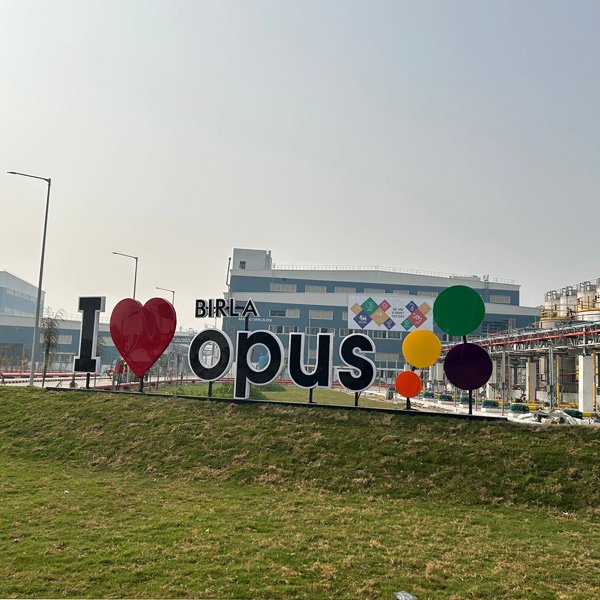
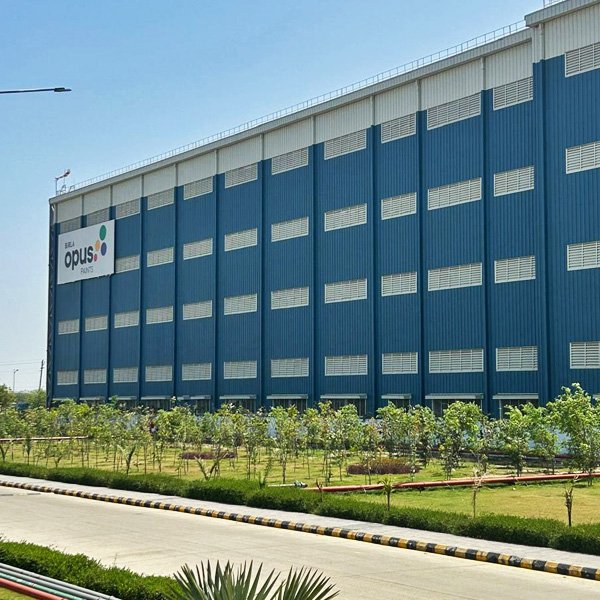
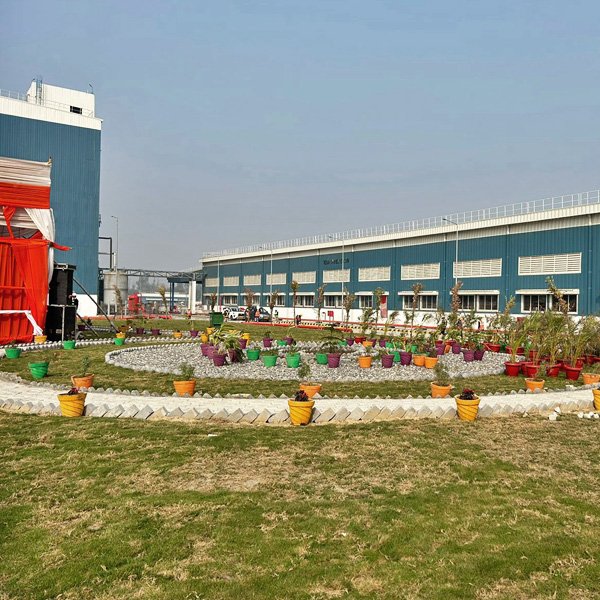
1. The main purpose and function of raising plantations in industrial units is for the environmental benefits provided by them. The extent of the environmental benefits (in terms of oxygen generation and carbon dioxide absorption; absorption of pollutants like ozone, carbon monoxide, nitrous oxides, sulphur dioxide, ammonia and other polluting gases; soil stabilization by controlling soil erosion; abating noise pollution; dust mitigation; natural air-conditioning; providing shelter for avifauna etc) are all directly proportional to the age (size) of the trees.
Using small sized plantation stock means that the plants will provide very little environmental benefits in the first few years of the operation of the Industrial unit. Conversely, using 3-year-old planting stock will ensure that by the time the unit is operational, the trees in the green belt and periphery plantations are fully established with 100% canopy cover which will provide full environmental benefits from the very commissioning of the industrial unit. This consideration is even more vital for chemical industrial units wherein the environmental impacts are considerably higher than those in non-chemical industrial/building projects.
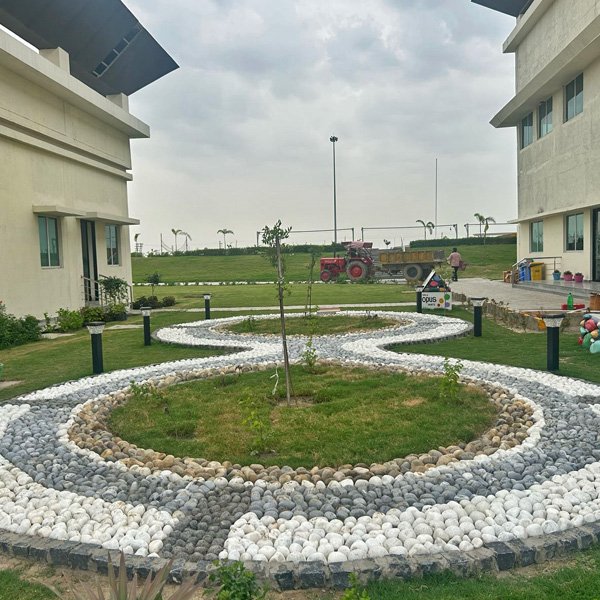
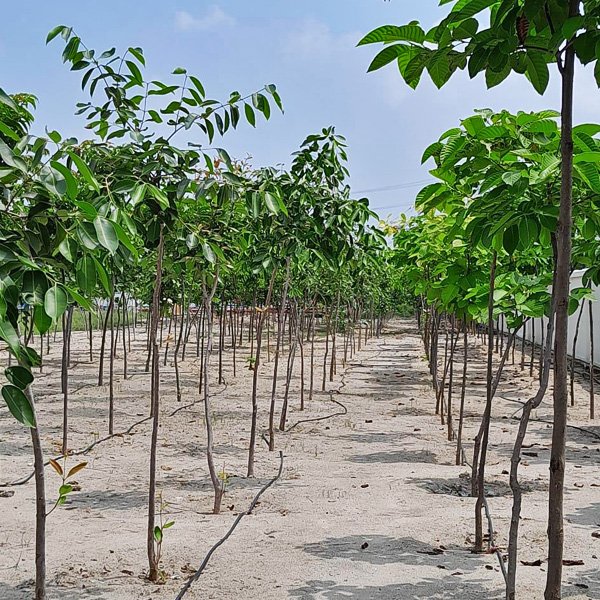
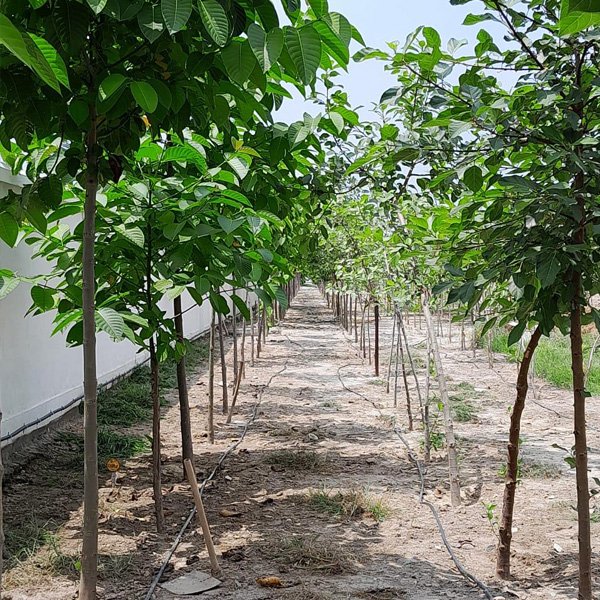
2. The aesthetic appeal and beauty of fully developed groves and avenues of trees is incomparably higher than that of young seedlings, which are still in the establishment stage. Using 2- to 3-year-old tall plants for all the plantations to be raised in the unit will result in well established 4 to 5 years old groves and avenues by the time the plant is ready for commissioning which will give the look and feel of a ready-made forest from day one of operations of the unit. Only an environmentally conscious and flagship company like M/s Ambuja Cement can take a pioneering role and lead in this matter so as to set the trend and pattern for other Industries to follow.